Dead zones are the fastest way to hate your home Wi-Fi—especially if you’re streaming, gaming, or working on video calls. A good mesh system fixes that by spreading coverage across multiple nodes so your devices stay connected as you move around.
Disclosure: Some links may be affiliate links. As an Amazon Associate I earn from qualifying purchases.
Below are five mesh systems (kept in your exact order) that are popular for whole-home coverage and beginner-friendly setup.
What actually makes a mesh system “easy”
- Simple app setup (guided placement + automatic optimization)
- Stable roaming (devices switch nodes smoothly)
- Ethernet ports (helpful for wired backhaul or gaming/TV)
- Good performance through walls (not just raw speed numbers)
- Reliable updates/security (set-and-forget matters)
1) NETGEAR Orbi 370 Series (Wi-Fi 7, Router + 2 Extenders) — Best for Big Coverage + Lots of Devices

What it is
A Wi-Fi 7 mesh kit designed for wide coverage and high device counts, with security features and multi-gig internet support (as listed).
Why it stands out
Orbi systems are often chosen for larger homes where you care more about stable coverage everywhere than squeezing every last Mbps next to the main router. If you have a lot of devices (smart home + phones + TVs), this category can feel noticeably smoother day-to-day.
Pros
- Great “whole-home blanket” coverage potential
- Good for homes with many connected devices
- Strong ecosystem with security features
Cons
- Can be more system than you need for a small apartment
- Higher-tier mesh systems are best when placement is done thoughtfully
Best for: larger homes or heavy device households that want strong overall coverage.
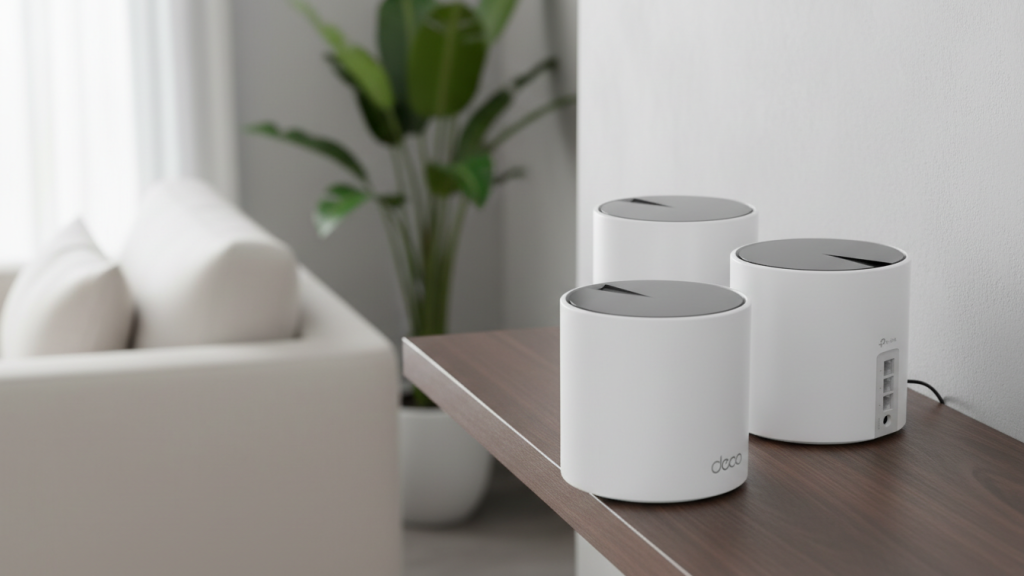
2) TP-Link Deco X55 (AX3000 Wi-Fi 6, 3-Pack) — Best Overall Value + Easy Setup
What it is
A Wi-Fi 6 mesh system (AX3000 class) known for straightforward setup and solid whole-home coverage, with support for Ethernet backhaul (as listed).
Why it’s the “sweet spot”
For most homes, you don’t need the absolute newest spec—you need a system that’s easy to install and stays stable. Deco is popular because it’s beginner-friendly and usually performs well in real homes with normal walls and interference.
Pros
- Very easy setup for non-technical users
- Great balance of coverage and performance
- Ethernet backhaul support is a big win for stability
Cons
- Not the fastest choice for multi-gig internet + heavy local transfers
- Advanced power users may want more deep-network controls
Best for: most people who want reliable mesh without overspending.
3) TP-Link Deco 7 Pro (BE63 Tri-Band Wi-Fi 7, 3-Pack) — Best for Future-Proof Speed + Multi-Gig Homes

What it is
A tri-band Wi-Fi 7 mesh system built for higher throughput and smoother performance under load, with multi-gig Ethernet ports and advanced features like VPN/HomeShield (as listed).
Why it stands out
Tri-band matters because it can reduce congestion between nodes, especially if you have a busy household (multiple streams, gaming, work calls). If you’re upgrading to faster internet or already have multi-gig service, this is the type of system that can actually take advantage of it.
Pros
- Strong performance headroom for busy homes
- Tri-band can help keep mesh links smooth
- Better fit for high-speed internet plans
Cons
- Overkill for smaller homes or slower plans
- You’ll get the most value only with good placement (and ideally wired backhaul)
Best for: power users, multi-gig plans, and homes with lots of simultaneous activity.
4) TP-Link Deco S4 (AC1900 Wi-Fi 5, 3-Pack) — Best Budget Mesh for Coverage

What it is
A Wi-Fi 5 (AC1900 class) mesh system aimed at improving coverage and reliability, especially for basic browsing, streaming, and smart home devices.
Why it still makes sense
Wi-Fi 5 isn’t “new,” but it can still be a strong solution if your main problem is coverage, not peak speed. If your internet plan is modest and you just want dead zones gone, this can be a practical buy.
Pros
- Budget-friendly path to whole-home coverage
- Great for smart home devices and general use
- Easy setup and simple management
Cons
- Not ideal if you have fast internet and want to use all of it
- Heavy gaming + multiple 4K streams may push its limits in larger homes
Best for: budget shoppers who want coverage first and don’t need the newest standards.
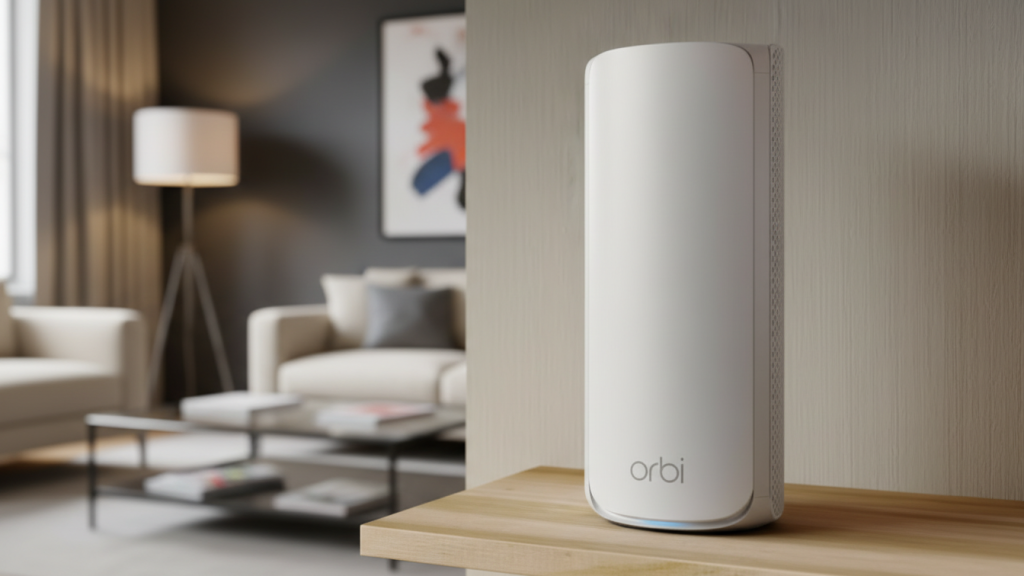
5) NETGEAR Orbi 770 Series (Tri-Band Wi-Fi 7, Router + 2 Satellites) — Best Premium Pick for Maximum Whole-Home Stability
What it is
A higher-tier tri-band Wi-Fi 7 Orbi system built for big coverage, lots of devices, and strong performance across the whole home (as listed).
Why it’s “premium”
Tri-band + Wi-Fi 7 class hardware is a classic “set it up once and forget it” style upgrade for larger homes. If your household is always online—multiple TVs, multiple remote workers, smart home everywhere—premium mesh tends to feel more stable in the long run.
Pros
- Excellent whole-home stability potential
- Great for device-heavy homes
- Tri-band helps with smoother mesh performance
Cons
- Premium price usually only makes sense if you truly need it
- Diminishing returns in small homes/apartments
Best for: bigger homes and heavy usage where stability matters more than price.
Which one is the optimal choice?
✅ Best overall for most homes: TP-Link Deco X55 (Wi-Fi 6)
It hits the best balance of easy setup, solid coverage, and real-world performance without getting overly expensive or complicated.
Best budget coverage fix: TP-Link Deco S4 (Wi-Fi 5)
If your plan is modest and you mainly want dead zones gone, this is the simplest path.
Best future-proof upgrade: TP-Link Deco 7 Pro (Tri-Band Wi-Fi 7)
For fast plans, busy households, and people who want headroom.
Best premium “set it and forget it”: NETGEAR Orbi 770 (Tri-Band Wi-Fi 7)
Great if you have a larger home and want maximum stability.
Mesh setup tips (the stuff that actually matters)
- Placement beats specs. Put nodes in open areas, not inside cabinets.
- One node per floor is a good starting point for multi-level homes.
- If possible, use Ethernet backhaul (wired connection between nodes) for the best stability.
- Keep nodes away from microwaves, thick concrete walls, and big metal appliances.
- Don’t stack nodes too close—each one should extend coverage, not compete.
FAQ
Is mesh better than a Wi-Fi extender?
Usually yes. Mesh is designed for seamless roaming and coordinated coverage; extenders often create a separate network and can be less stable.
Do I need Wi-Fi 7?
Not always. Wi-Fi 6 is enough for most homes. Wi-Fi 7 is worth it if you have a very fast plan, many devices, and want more future-proofing.
How many nodes do I need?
Most average homes do well with 2–3 nodes. Larger homes or tough wall layouts may need more.